
Fathers, Sacrifice, and Violence
The ChangelingThree generations of fathers justify their actions as love or duty, while the story distinguishes genuine care from sacrifice imposed on children.
increasing Bearing strength in each event
 decreasing
Bearing strength in each eventdecreasingNils Makes a Bargain
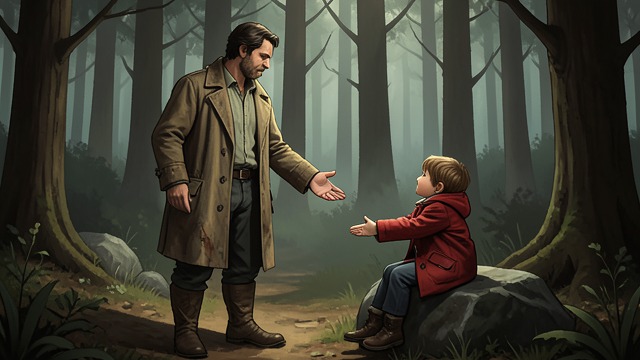
A Father’s Decision
Protection purchased
Nils Knudsen leaves Agnes Knudsdatter with the troll because he believes the family’s future depends on the pact.
Sacrifice falls on the child
His choice is remembered as duty, though it is the vulnerable child who pays its cost.
Brian West’s Contradiction
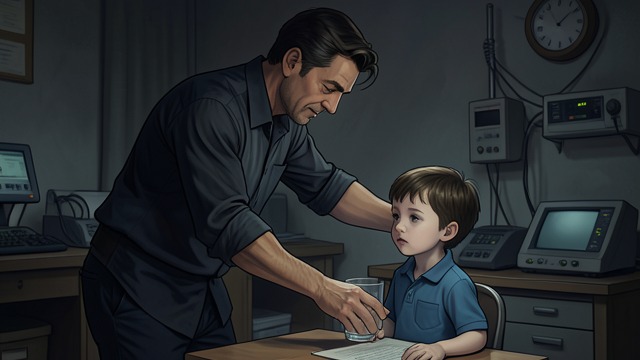
Love Becomes Dangerous
A father returns
Brian West comes back to the apartment and tries to drown his son after Lillian decides to leave.
Intention does not absolve harm
His love for Apollo may be real, but it cannot make his violence protective or acceptable.
Jorgen’s Defense of the Pact
Duty Inherited and Repeated
A family story explains cruelty
Jorgen argues that the Knudsen men served the troll so their descendants could prosper.
The past recruits the present
His account shows how inherited narratives can make violence seem like a responsible choice rather than a choice that can be refused.
William’s Sacrifice Claim
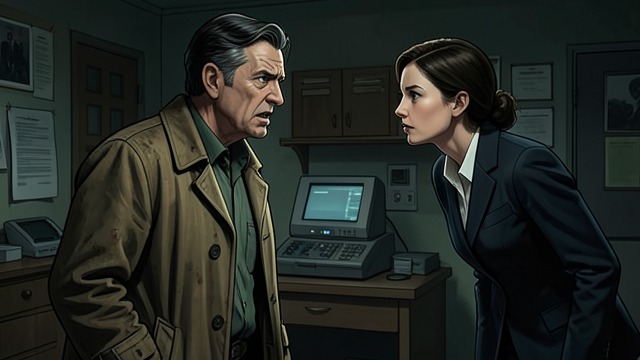
A Modern Version of the Old Excuse
Family becomes justification
Kinder Garten claims he made a sacrifice for his family, including the decision to leave his daughter with the troll.
Love is made possessive
His language repeats the old pact’s moral logic while he treats other families as exploitable material.
A Different Kind of Fatherhood
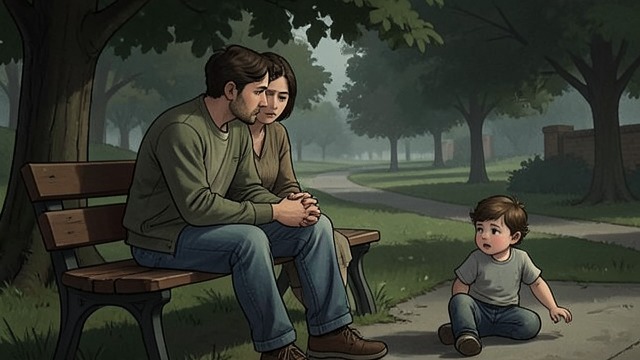
Staying Present
No heroic guarantee
Apollo and Emma cannot promise that Brian will never suffer or that they will never fail him.
Care becomes a practice
They commit to the long, ordinary work of parenting, replacing inherited sacrifice with attention and shared responsibility.
After the Sloopers reach Queens
When Apollo is four
During Apollo’s visit to the Knudsen House
During Apollo’s conversation with Kinder Garten
Near the ending, after Brian’s rescue
